



























Stock Exchange Embroidery Project
Making Money with Stock Designs
Materials
Project Preview Video

Tuna

Cut Away Stabilizer - 2.5 Oz wt.

Cut Away Stabilizer - 2 oz wt.

Making Money with Stock Designs
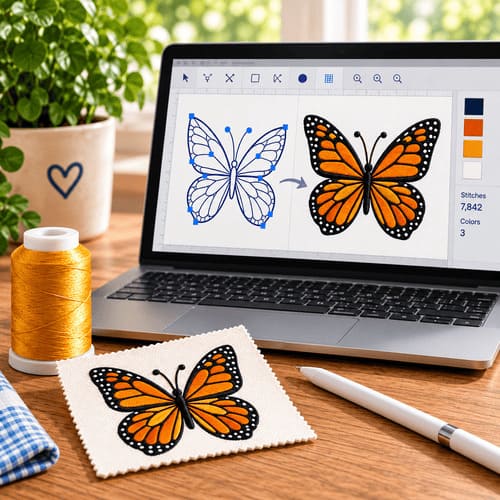
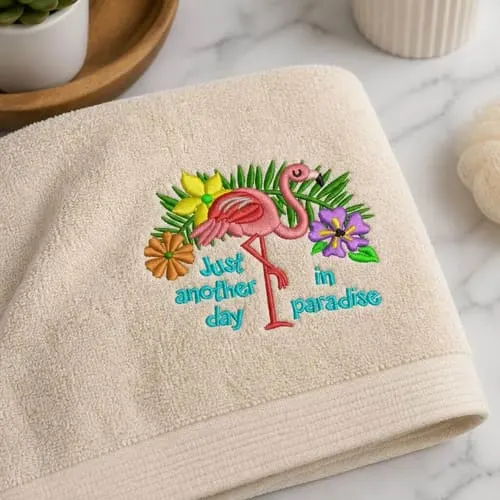
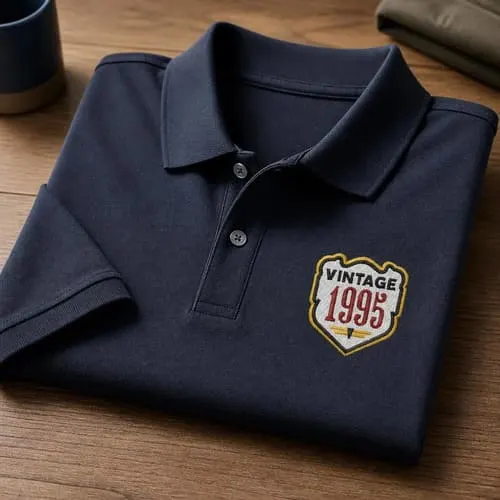
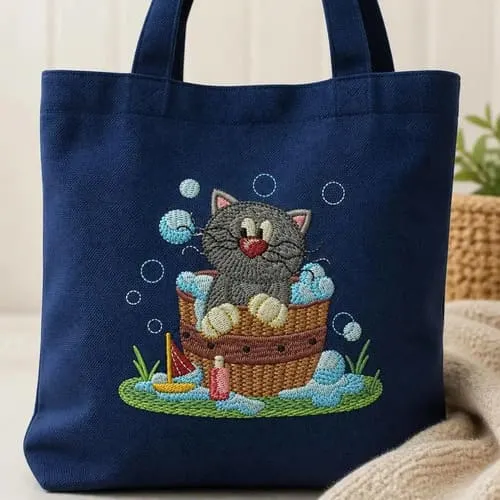
When I opened my shop in 1986, stock designs did not exist. With the exception of basic text, all designs had to be digitized and the prices were quite high. A left chest logo with 5000 stitches could easily cost $300.00 or more to have it punched. As a result, many customers chose not to have their logo digitized and opted for simple keyboard lettering instead. (The first keyboard lettering systems were developed as part of the machine, rather than a software program installed on a computer and the number of fonts was quite limited.) But then came stock designs and the whole industry changed forever. Suddenly embroiderers could create a small library of usable designs, ready to sew, at a reasonable price. Rather than $300.00 for a single design, punchers realized that the same design could be sold to lots of people, thus they were willing to drop the price to a much lower level. In the long run, they made more money by mass producing the design, rather than just selling it once. This opened the doors for embroiderers as many of their customers didn’t have a true logo to begin with. By merging an image with keyboard lettering, the embroiderer could create a simple design for the customer at a fraction of the cost for custom digitizing. In addition it could be done while the customer waited, rather having to wait several days for the design to be digitized. This allowed for instant stitch counts and price quotes. In the beginning, there were only a few stock design companies and their offerings were limited, but usually top quality. Over the past 20 years, many new companies have entered the stock design trade and now there are literally hundreds of thousands of designs available for embroiderers to choose from.
|

Overall, stock designs are a wonderful asset for an embroiderer, especially one who cannot digitize. By carefully selecting the right design and understanding sewing basics such as fabric compensation techniques, most stock designs can be applied quite successfully. The result is a happy customer and increased profits for the embroidery shop owner. There is also a flip-side to making money with stock designs. Instead of just buying the creations of other people, you might be in a position where you can sell your own designs to other embroiderers. Provided that you have unique, original designs that sew well and look great, there is a very real opportunity to make some additional revenues. The key is to get those designs out in front of potential customers. At first, the marketing and promotional aspects may appear to be quite daunting and expensive: a catalog, a website, an order processing system, etc., etc., etc. But unless you are starting a full-time venture focused solely on the sale and delivery of stock designs this isn’t a practical approach. But have no fear; there is an alternative method that is probably much more to your liking (and budget). You can list your designs on someone else’s website, where they do all the work and you simply collect a monthly check. Sounds too good to be true? It’s not. |
There are several existing websites that depend almost totally on outside digitizers to provide the inventory that is offered for sale. For example, www.embroiderydesigns.com has multiple companies who have posted their designs online for sale, yet the site appears to be one large catalog of designs and for the customer that’s just what it is. Though they can search by vendor, most people simply search by keyword and are automatically taken to the designs that match their search criteria, regardless of the vendor. They make their selections and checkout. Everything is automated and designs are processed without the interface of the vendor. At the end of the month you as a stock design supplier receive a check, based on the amount of sales minus a commission. |

Are there any restrictions to becoming a stock design vendor? Well there are contracts that must be signed and of course you must have verification that you are the sole owner of the designs you are offering. Beyond that, it’s a matter of having top-quality designs and a willingness to stand behind your work. Obviously, if something doesn’t sew well, the owner of the website is going to get complaints, which will then be delivered to you. Too many complaints and you might be looking for another location to host your designs. So above all else, you need to test your designs and guarantee them before they go on the market for sale. In addition, you will get a better understanding of the authorship-side of copyright issues. Most stock design websites already have standard copyright clauses that are posted online. But that doesn’t stop people from abusing them and there are no guarantees that people who buy your products don’t illegally copy and distribute them after the sale. This is virtually impossible for you to combat without the resources of an army of investigators, so it’s something you must be prepared to accept. However, one small ray of sunshine is that the stock design companies do have a record of every sale of your designs, so if you come across someone who you suspect of having an illegitimate copy of one of your designs, you can always check to see if they really did purchase it or not. So there is money to be made with stock designs, either through increased embroidery sales, or through sale of your original works or BOTH. Explore the concepts and see what makes sense for your operation, as every dollar counts, no matter how small. |
