

























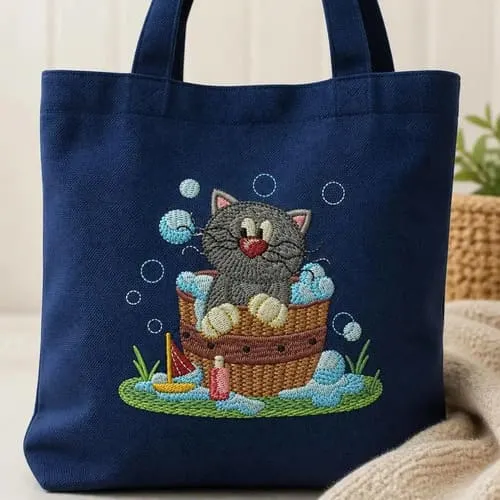




Stock Designs II Embroidery Project
Before you start using stock designs, be aware of these limitations and precautions.
Materials
Project Preview Video

Cut Away Stabilizer - 2.5 Oz wt.

Cut Away Stabilizer - 2 oz wt.
Before you start using stock designs, be aware of these limitations and precautions.
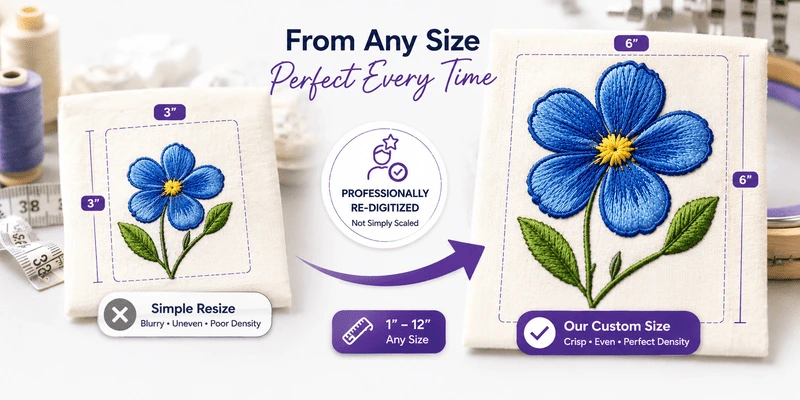
Though stock designs offer lots of exciting possibilities for embroiderers, especially those who don’t digitize, there are some things to be aware of. First of all, the quality of a design can be affected by the fabric upon which it is sewn. In the case of custom digitizing, the puncher creates the design for a specific fabric, thereby ensuring that it sews properly for the given application. But in the case of a stock design, it is not possible for the digitizer to know what fabric the design will be sewn on. Thus, it’s nearly impossible to guarantee that it will sew well on all fabrics. Another problem is that embroiderers tend to resize stock designs any way they see fit. Once again, a design is digitized with a certain size in mind. Resizing it may cause a loss of sewing quality. Regardless, embroiderers actively seek designs in an outline file format such as pxf, pof and cnd so that they can easily resize the design as needed. It should be noted that although most modern commercial software systems can read a .cnd file, they typically change it over to an outline file that is compatible with the internal format code. For example, the Pulse Software system can read a .cnd file, but it automatically converts the file into a .pof or .pxf file which is the internal Pulse outline file format. Much like translating languages (such as Spanish to English) converting embroidery file formats sometimes results in minor problems, such as missing stitches. Another limitation with stock designs is that there is no guarantee the digitizer is qualified. Anyone can create a website and/or catalog and start selling stock designs. The truth of the matter is that there are a lot of inexperienced digitizers who are selling inferior designs. Thus, the embroiderer needs to be cautious in their choices. Find out if the stock design company offers any free designs for testing purposes. An additional area of concern with stock designs is that they are many times used illegally. Stock designs are governed by the copyright laws of the United States and many other countries. When you purchase a stock design you don’t actually own it, rather you are buying a license to use it. As per most licensing agreements, you can reproduce the design via embroidery as much as you want, during your normal course of business operations. However, you are not entitled to sell, trade, swap, loan or give the electronic design file to any other person. Doing so is illegal! There is one exception to this. If you are selling your business as a complete unit, most stock design companies will allow you to include the designs that you legally purchased, provided the new owner registers the change in ownership. Bottom line: be sure to read the licensing agreement that comes with every stock design you purchase. Overall, stock designs are a wonderful asset for an embroiderer, especially one who cannot digitize. By carefully selecting the right design and understanding sewing basics such as fabric compensation techniques, most stock designs can be applied quite successfully. The result is a happy customer and increased profits for the embroidery shop owner. |
