





PROJECT INSTRUCTIONS


PROJECT INSTRUCTIONS

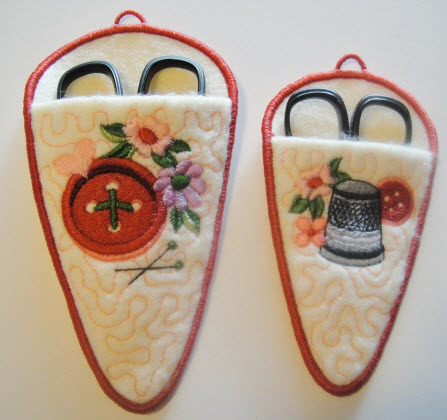
ITH Scissors Cases Embroidery Project
By
Pat Williams
on
March 01, 2014
Description
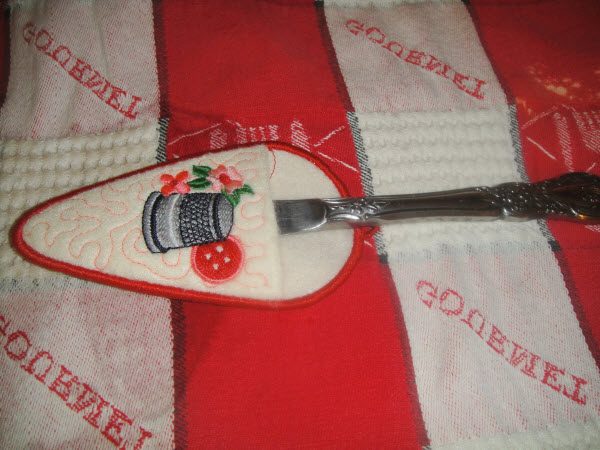
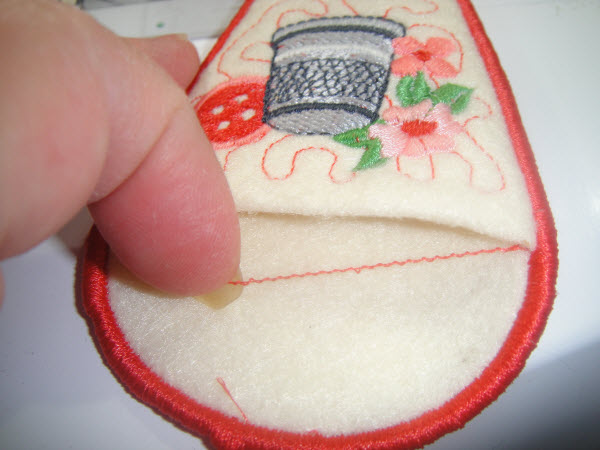
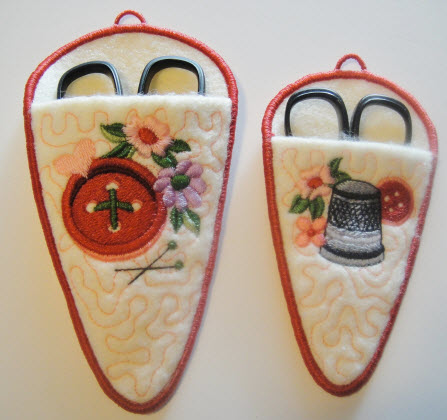
A small size for your 4” embroidery scissors and a larger size for your 5” curved machine embroidery scissors. Each can be made in an hour. 1/4 yd of acrylic washable felt will make 9 cases, so they are an inexpensive way to protect your scissors.
Step
of
Materials
Project Preview Video

QUICK VIEW
4" Scissors Case
$12.00
$6.00
Circle Price: $5.85

QUICK VIEW
5" Scissors Case
$12.00
$6.00
Circle Price: $5.85

QUICK VIEW
Cut Away Stabilizer - 2.5 Oz wt.
$8.94
Circle Price: $8.05
{{ item.name }}
{{ item.listPriceDisplay }}{{ item.salePriceDisplay }}
Circle Price:
{{ item.clubPriceDisplay }}


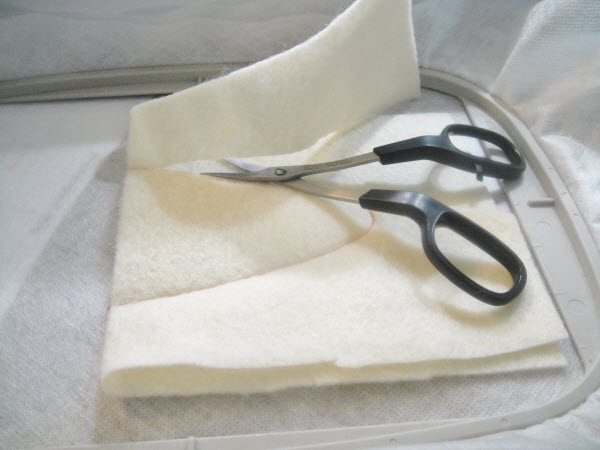
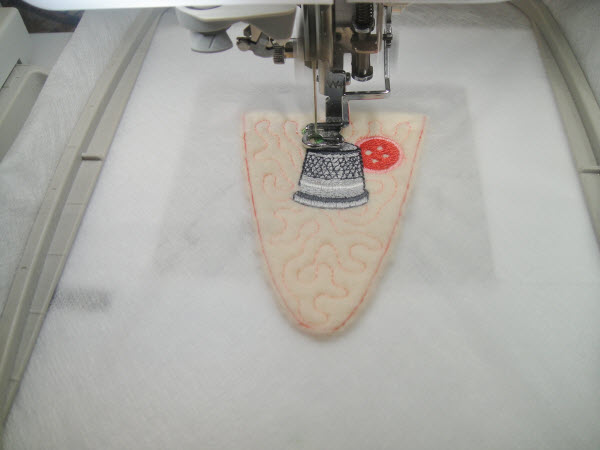
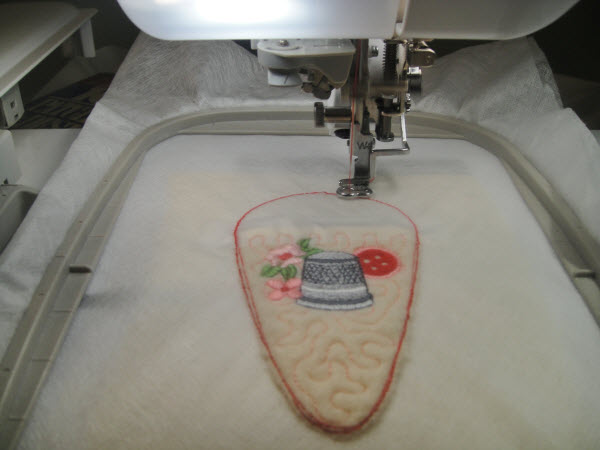
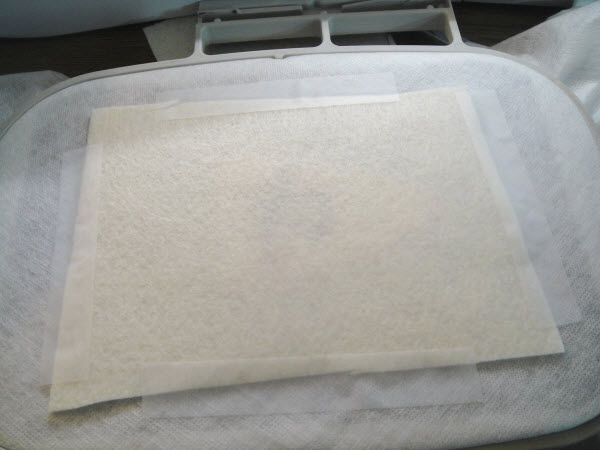
| Materials ¼ yard of washable acrylic felt (not the little felt squares) ¼ yard will make nine cases, but you want this higher quality felt. For each case cut 1 7” x 5” rectangle and 1 10” x 4” rectangle. Embroidery thread according to the color charts. Polyester thread is recommended for this project. Bobbin to match the border color Scotch tape Water soluble fibrous stabilizer such as Wet N’ Gone or Aqua Mesh 5” x 7” embroidery hoop Small sharp scissors for trimming the felt |
| Designs used in this project |
| Final Product: What You Will Create |
 |
|
Projects You May Like
Meet the Author:
Pat Williams

Award winning Digitizer, Embroidery Educator, Author and a Consultant to the Industry, Pat Williams has 30 years of experience in the embroidery industry. Pat has won multiple awards for her digitizing expertise including the 2007 Impressions Awards Grand Championship, Best of Show as well as the 1st and 2nd Place Awards. Pat’s love of digitizing has afforded her the opportunity to write numerous articles for Impressions magazine in the United States and Images Magazine in Europe. In 2001 Pat was named “Embroidery Educator of the Year.” For many years Pat taught digitizing seminars at the ISS Shows in Long Beach, CA and for Compucon software. She now resides in Tucson, AZ.
Feedback
Characters Remaining
Please Login to Submit a Feedback
Invalid Characters, Please enter a valid Comment
Please enter a valid Comment
Reviewed On
Link is Broken, Please check the URL