























PROJECT INSTRUCTIONS


PROJECT INSTRUCTIONS
Baby Keepsake Envelope Embroidery Project
By
Ramona Baird
on
April 09, 2018
Description
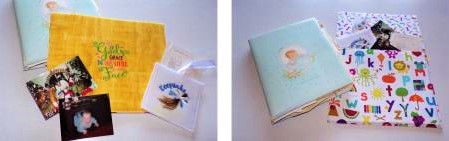
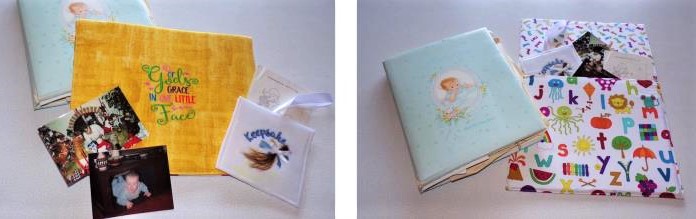
This baby keepsake envelope is perfect for storing and protecting cherished mementos. Its soft design makes it ideal for holding photographs, locks of hair, or other precious items. Step-by-step instructions are included.
Step
of
Materials
Project Preview Video

QUICK VIEW
Gods Grace
$4.00
$2.00
Circle Price: $1.85

Cut Away Stabilizer - 2.5 Oz wt.
$8.94
Circle Price: $8.05

Cut Away Stabilizer - 2 oz wt.
$8.52
Circle Price: $7.67

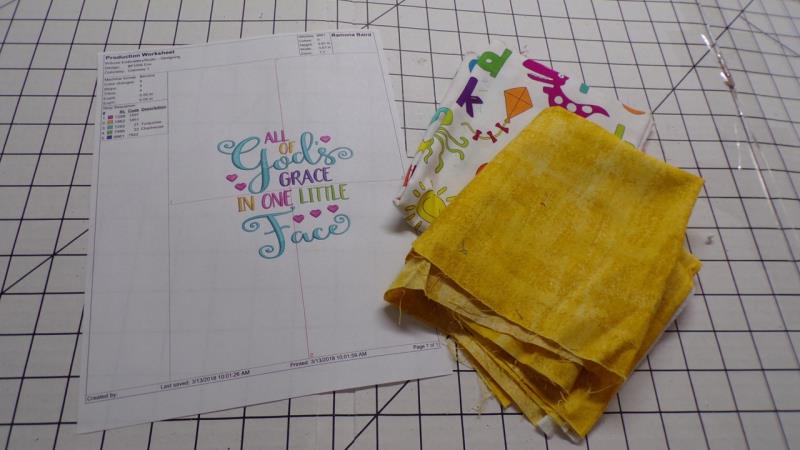
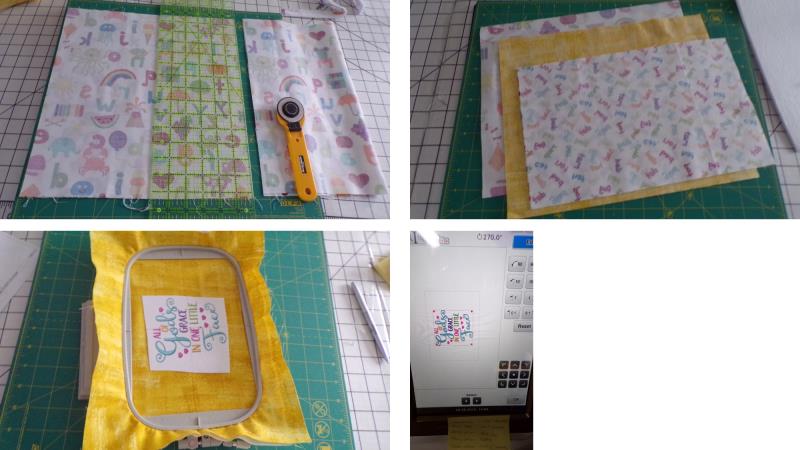
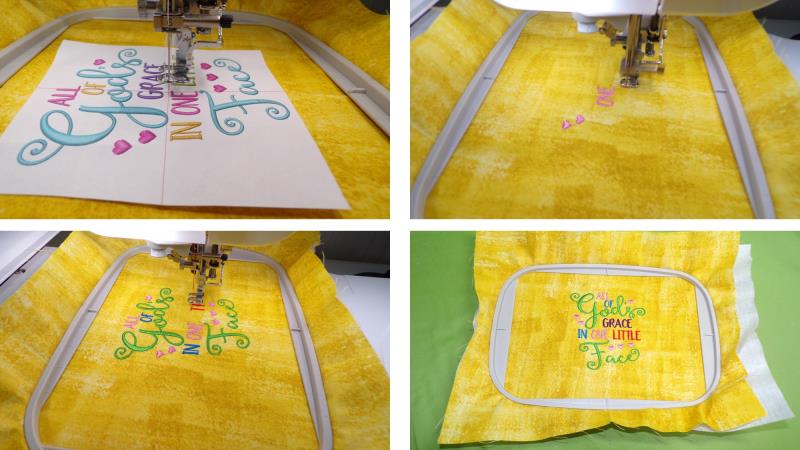
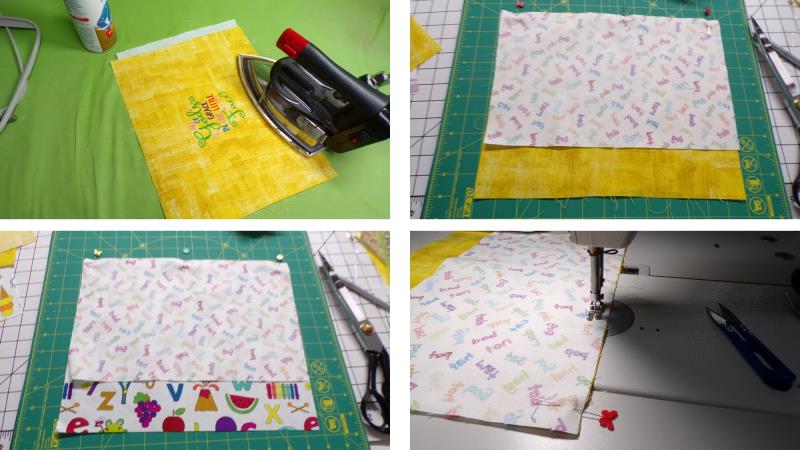
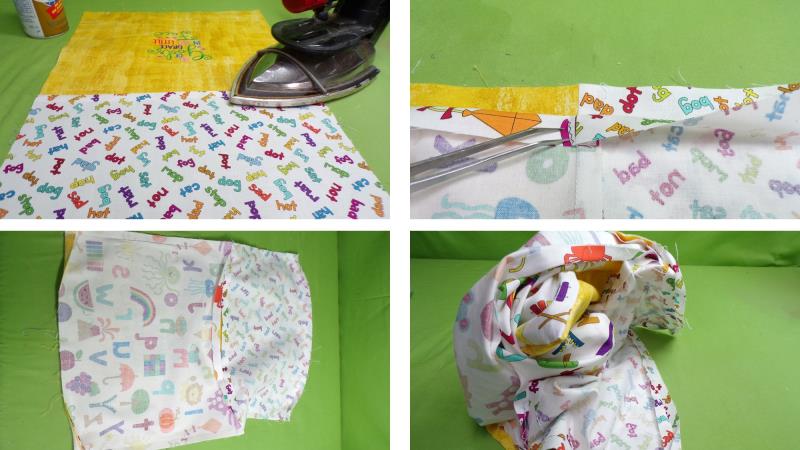
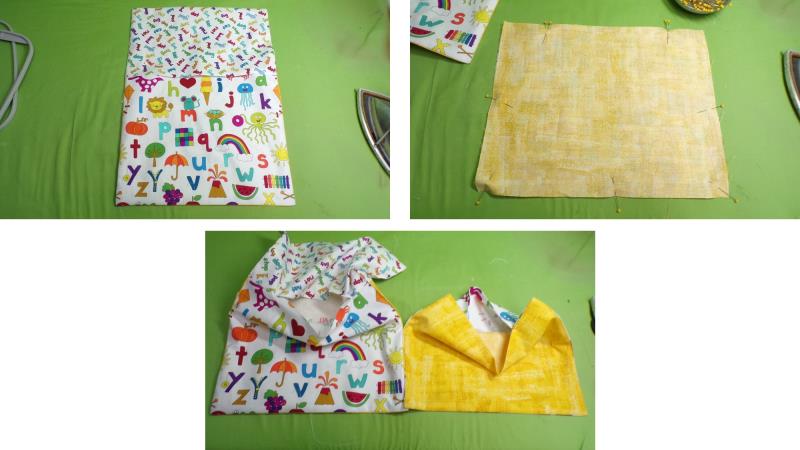
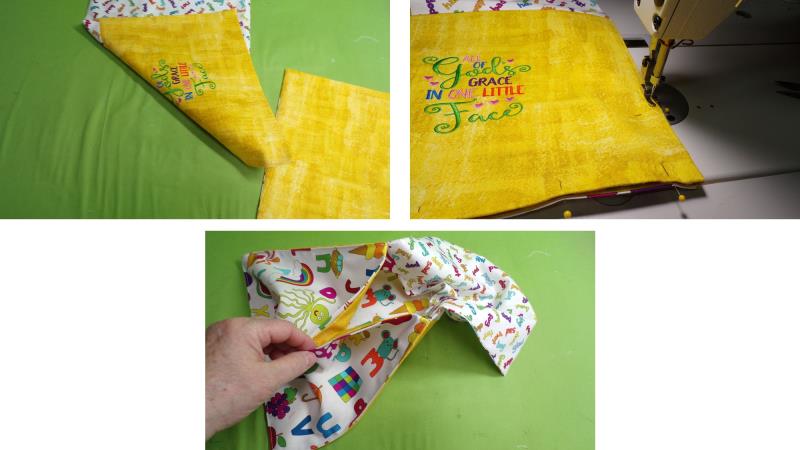
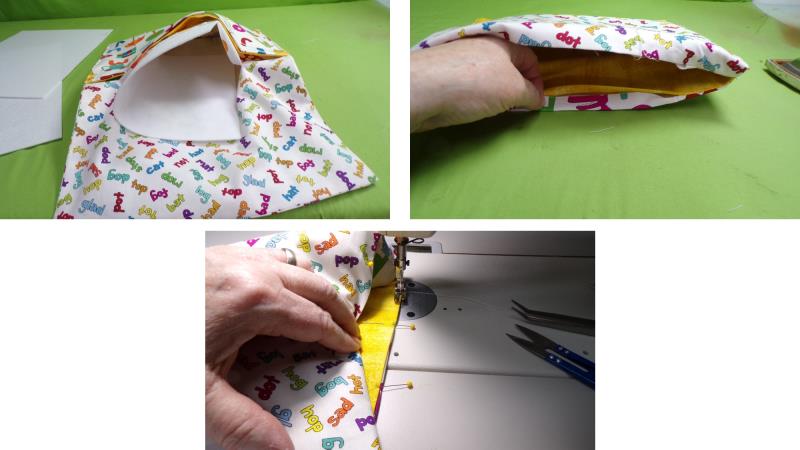
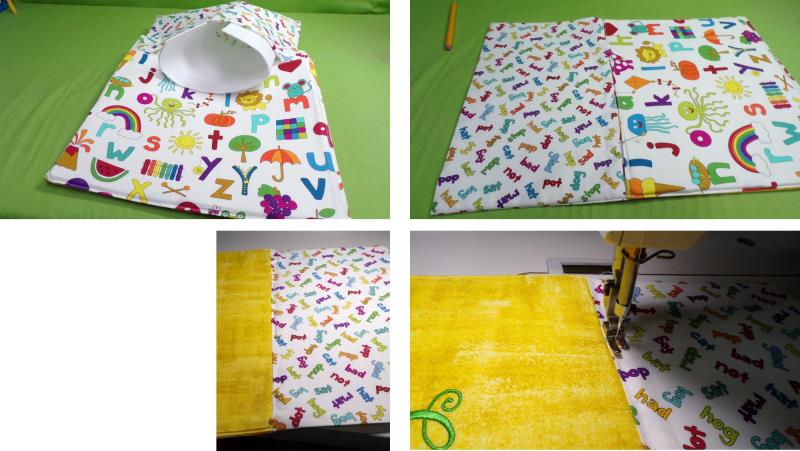
| Materials Quilting cotton fabric: Yellow: 2- 10 ½” x 13” (for embroidery and pocket lining) Small alphabet print: 2- 8” x 13” (for flap) Large alphabet print: 2- 10 ½” x 13” (for back outer pocket and pocket lining) Stiff craft interfacing: 1- 7 ¼” x 13” for flap, 2- 10” x 12.25” for pocket sections Sewing thread to coordinate with fabrics Embroidery thread as stated in color sequence and to coordinate with the fabric colors Cutaway stabilizer to fit hoop Baby treasures of photos, locks of hair, certificates, etc. |
| Designs used in this project |
| Final Product: What You Will Create |
 |
|
Projects You May Like
Meet the Author:
Ramona Baird
Ramona Baird has been in the embroidery industry for over 23 years. She and her husband owned a commercial and retail embroidery store in Arizona for many years. She is an experienced digitizer having been mentored by award-winners Pat Williams and Lindee Goodall. Ramona is a contributor to “Creative Machine Embroidery” magazine having 5 covers to her credit. Ramona has worked for Wilcom America and served many years as Education Director for the American Sewing Guild. With a degree in fashion design, she is able to design and execute patterns which Pat Williams says are “out of the box” in creativity and application. Ramona likes to challenge the boundaries of embroidery and bring new and exciting designs, ideas, and projects to EmbroideryDesigns.com. She wants embroiderers of all levels to increase their skills and enjoyment in using their embroidery machine for gift-making and personal pleasure.
Feedback
Characters Remaining
Please Login to Submit a Feedback
Invalid Characters, Please enter a valid Comment
Please enter a valid Comment
Reviewed On
Link is Broken, Please check the URL