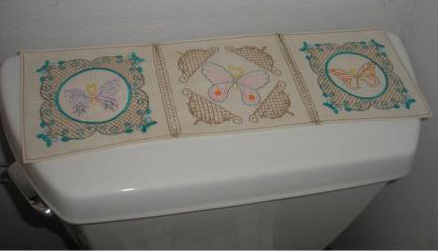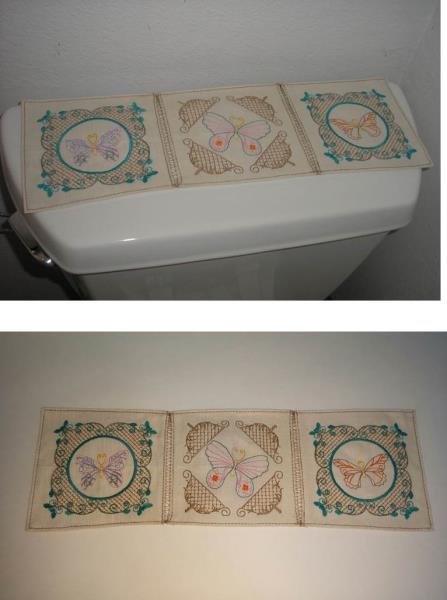






This butterfly panel mat can be used for many purposes; the project will be used for a tank mat to continue a butterfly theme in a bathroom. One thing that will be learned in this project is how to join pieces together using a sewing machine and a decorative stitch - an old technique called fagoting (also spelled faggoting) which was originally done by hand sewing but now can be completed easily with a sewing machine.
Step 1:
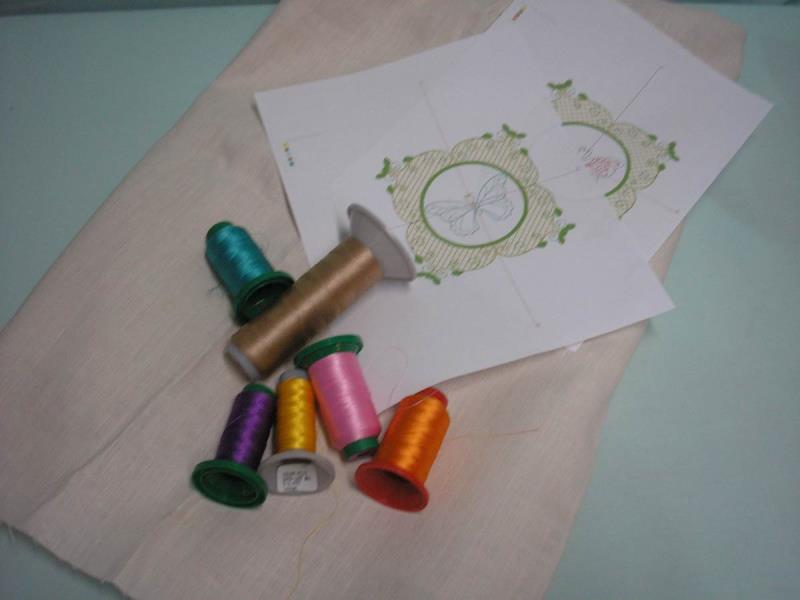
Gather the materials and read through the instructions before beginning. Print out a paper template of the design and color sequence.
(Click Image to Enlarge)
Step 2:
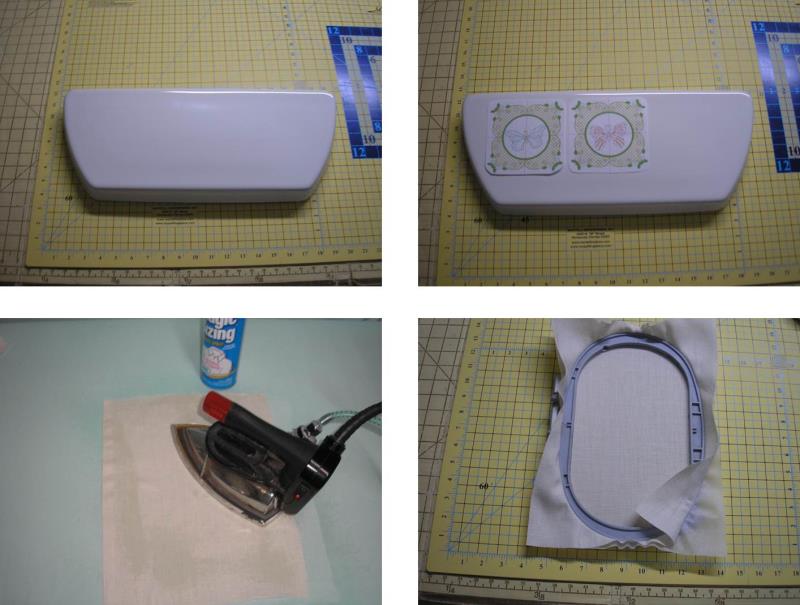
Measure the top of the tank. Cut out the paper design templates and decide on the arrangement for the panels. Cut the fabric larger than needed (it will be cut down after the stitching is done). Press the fabrics well with spray starch or sizing. Hoop the first piece of fabric with a layer of stabilizer. Also decide what the final size of each finished panel should be and be sure to include ¼” seam allowances around all edges.
(Click Image to Enlarge)
Step 3:
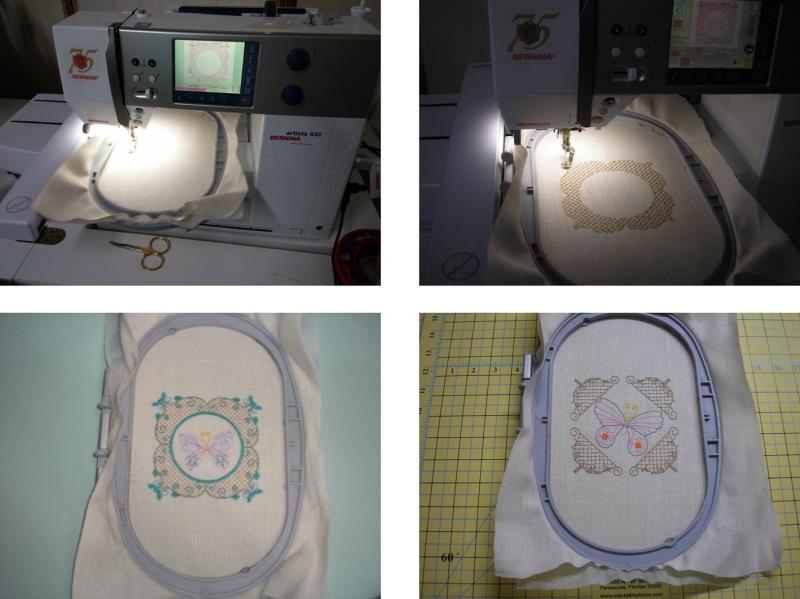
Load the first design on the machine and stitch the design following the color sequence. Repeat the steps of hooping and stitching for the remaining two pieces of fabrics and designs.
(Click Image to Enlarge)
Step 4:
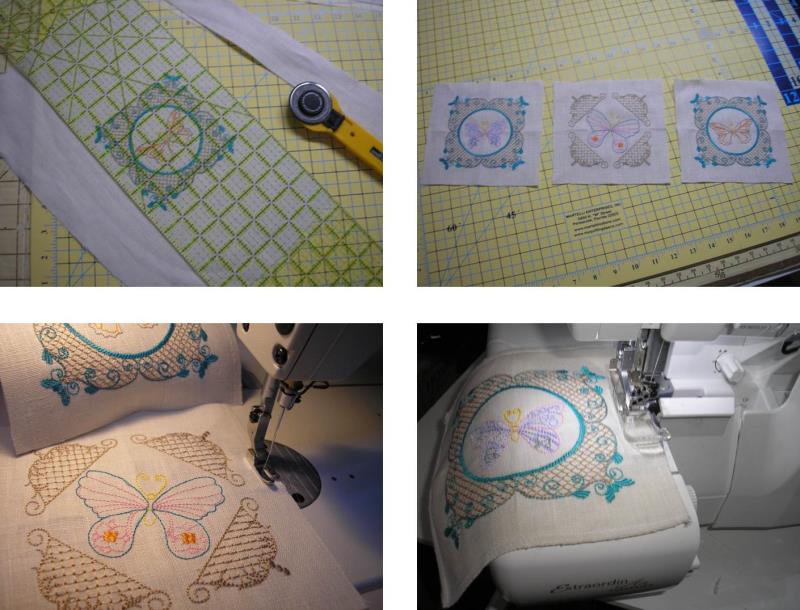
As the designs finish stitching, press them and then cut them to size determined in step 2. (don’t forget to include the seam allowances!) Place the regular sewing thread on the machine and stitch around the outside edges of each piece ¼” to create an edge for turning and pressing. Clean finish the edges by either pinking, zig-zagging, or serging around all the edges.
(Click Image to Enlarge)
Step 5:
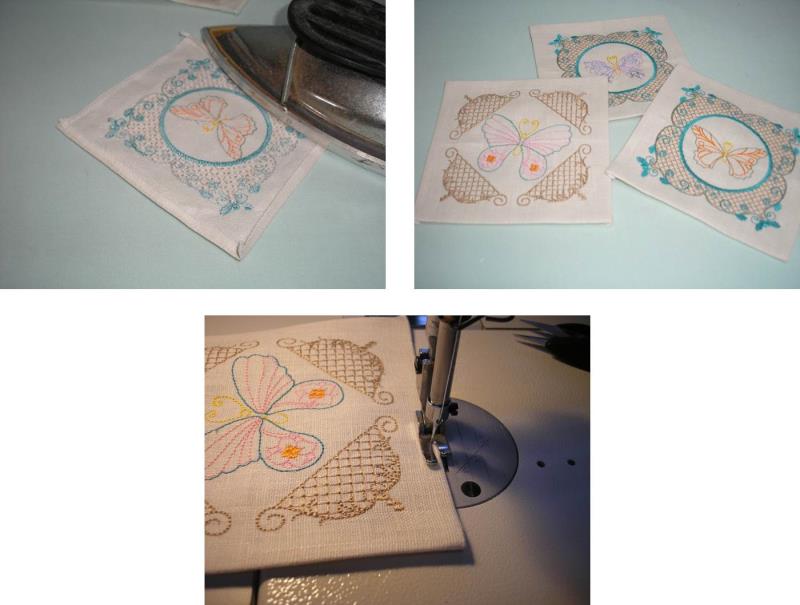
Press under all edges along the ¼” stitching line. At this point, be sure all the panels are the same size. Edge stitch all around each panel edge.
(Click Image to Enlarge)
Step 6:
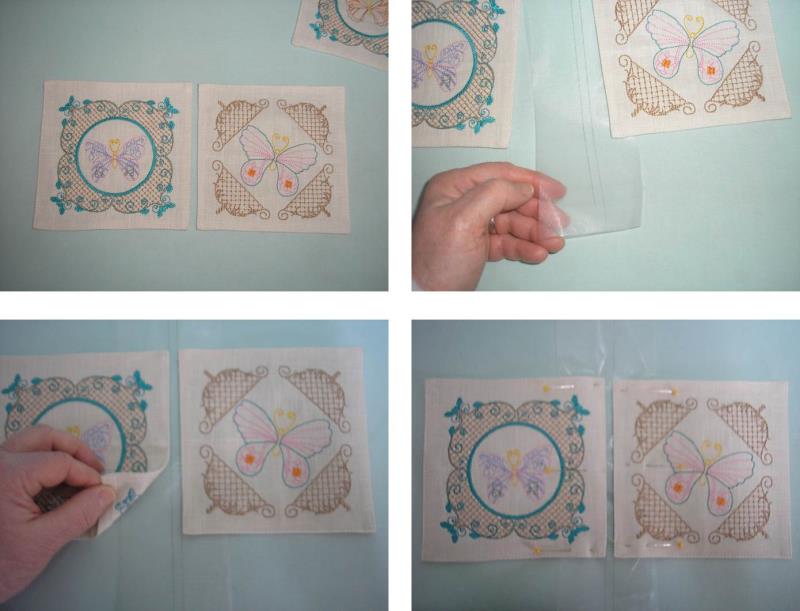
Lay the panel pieces side by side. On the two pieces of water soluble stabilizer, draw two parallel lines ¼ “ apart using a pencil. Place the water soluble with the drawn lines face down (so that when the stabilizer is rinsed away, the pencil lines will not transfer to the fabric). Align the first two panels along the pencil lines as shown - be sure the top and bottom edges of the panels are aligned; pin the panels to the stabilizer.
(Click Image to Enlarge)
Step 7:
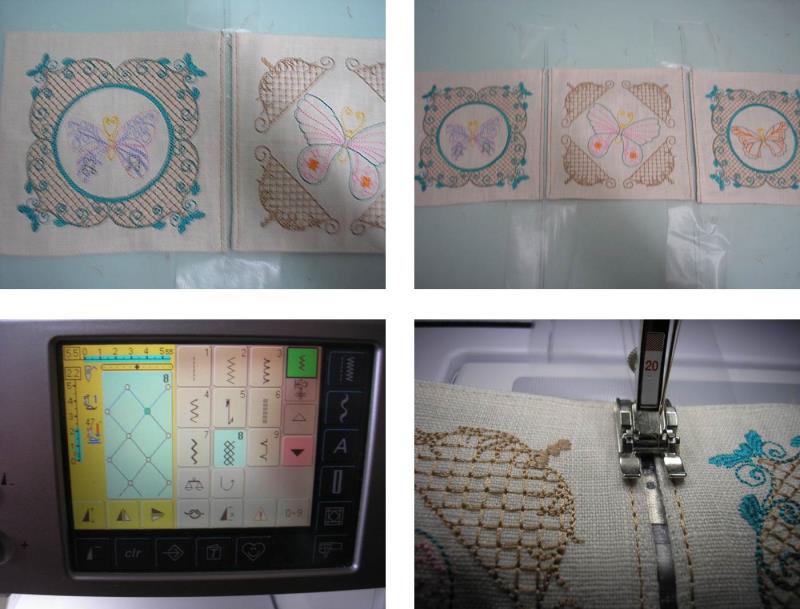
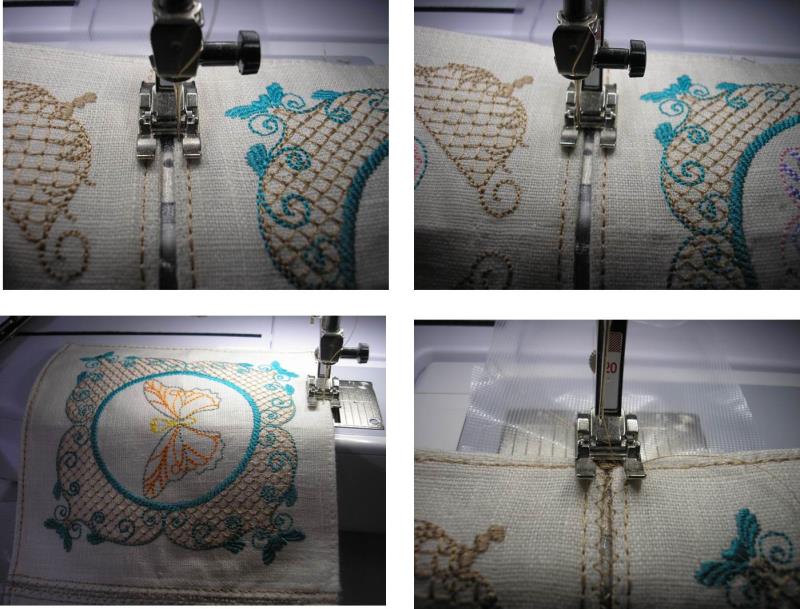
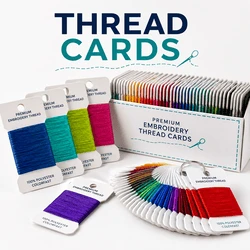
Next, choose one of the embroidery thread colors and stitch the panels to the stabilizer. Repeat for the third panel and second piece of stabilizer. Now choose a decorative machine stitch that can be used for “fagoting” the panels together - for the project, the stitch shown was used. Use an open toe foot for stitching; stitch the panels together. Some of the stitches will fall on the stabilizer.
(Click Image to Enlarge)
Step 8:
Be sure that the needle catches both sides in the fabric. Repeat for the stitching between the middle and third panels along the stabilizer. To complete the look, top stitch around the outside of all the panels and bar tack the tops and bottoms of the panel sections together.
(Click Image to Enlarge)
Step 9:
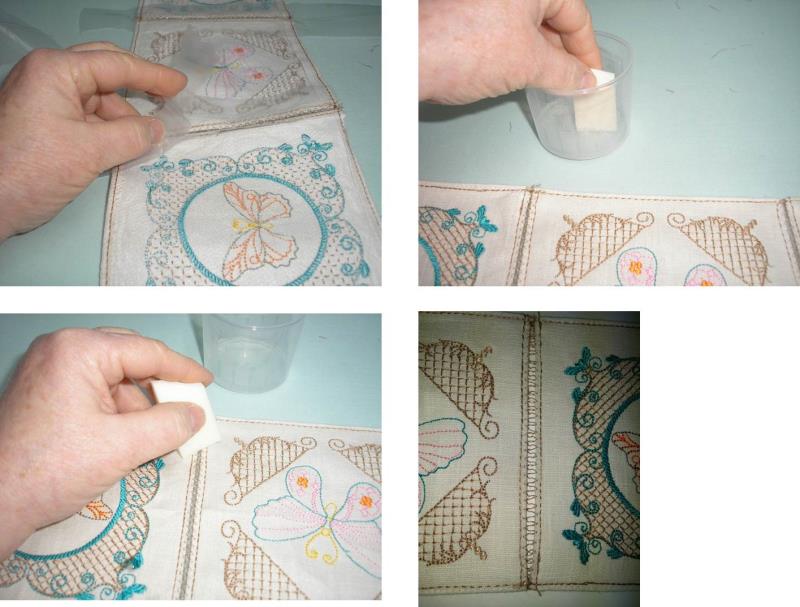
To remove the stabilizer, carefully remove the excess and then dip a sponge in water and run it along the fagot stitching until the stabilizer dissolves; let the fabric dry. You’ll see the fagot stitching between the panels. In place of bar tacks, small ribbons or buttons could be used - it just cleans up the ends of the panels and secures the fagot stitching which is delicate.
(Click Image to Enlarge)
Step 10:
Press the panels and they are ready as a decorative tank topper or use the butterfly panel mat for another small area like the top of a table or dresser.
Ramona Baird has been in the embroidery industry for over 23 years. She and her husband owned a commercial and retail embroidery store in Arizona for many years. She is an experienced digitizer having been mentored by award-winners Pat Williams and Lindee Goodall. Ramona is a contributor to “Creative Machine Embroidery” magazine having 5 covers to her credit. Ramona has worked for Wilcom America and served many years as Education Director for the American Sewing Guild. With a degree in fashion design, she is able to design and execute patterns which Pat Williams says are “out of the box” in creativity and application. Ramona likes to challenge the boundaries of embroidery and bring new and exciting designs, ideas, and projects to EmbroideryDesigns.com. She wants embroiderers of all levels to increase their skills and enjoyment in using their embroidery machine for gift-making and personal pleasure.