
























PROJECT INSTRUCTIONS


PROJECT INSTRUCTIONS

ITH Victorian Scissors Cases Embroidery Project
By
Pat Williams
on
July 01, 2015
Description
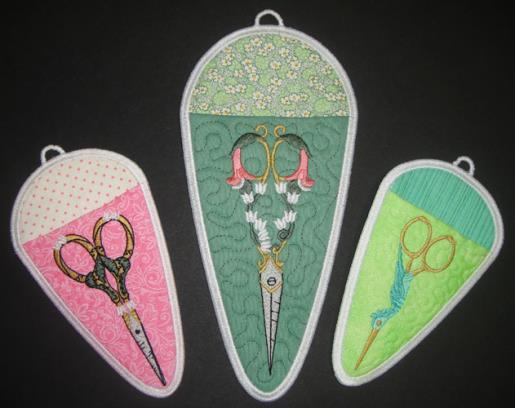
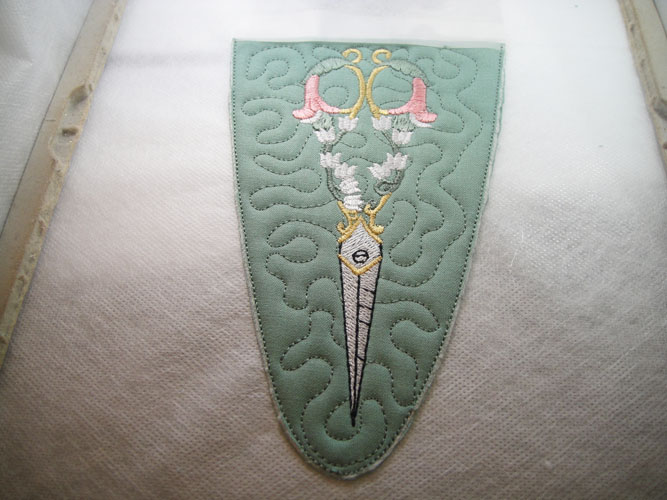
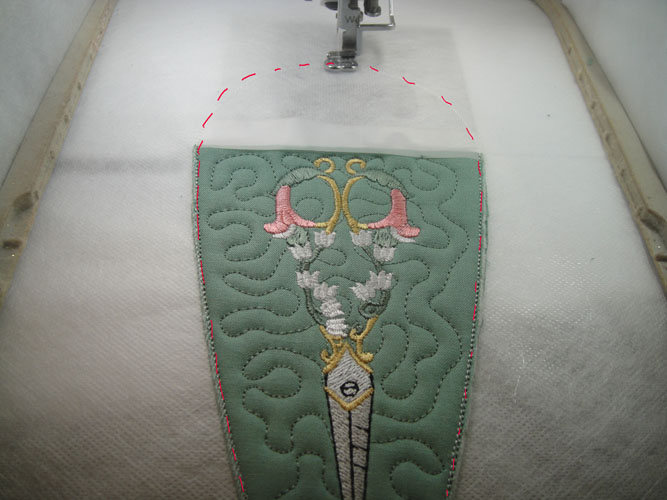
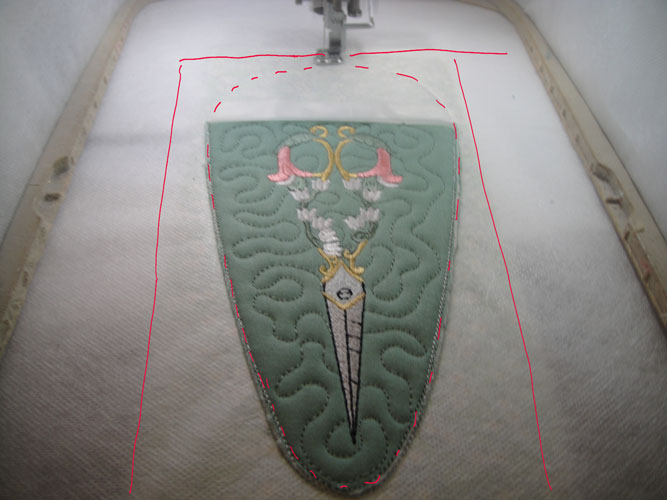
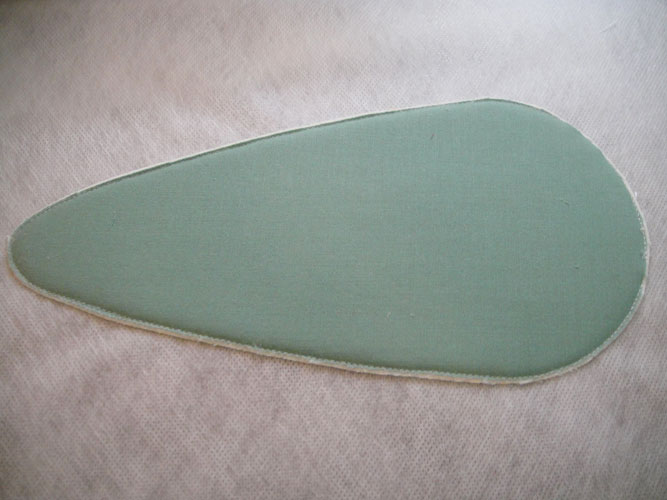
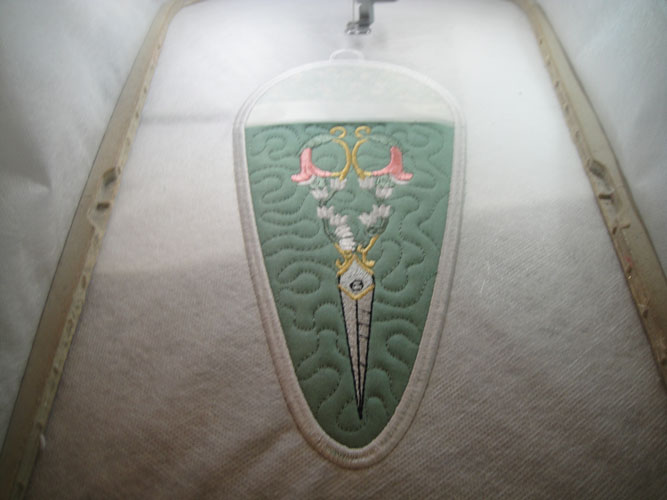
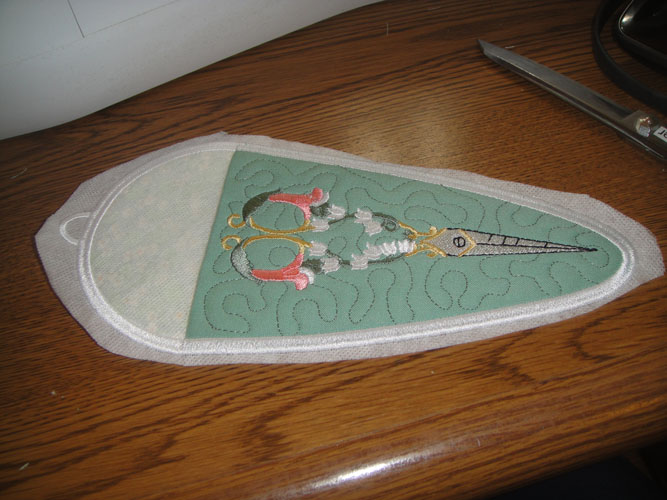
These lovely scissors cases are quick to stitch up in the hoop. They make great gifts and craft fair items. Be sure to make some up for yourself.
Step
of
Materials
Project Preview Video

QUICK VIEW
Victorian Scissors Case for 9” Shears
$12.00
$6.00
Circle Price: $5.85

QUICK VIEW
Victorian Scissors Case
$12.00
$6.00
Circle Price: $5.85

QUICK VIEW
Embroidery Scissors Case
$12.00
$6.00
Circle Price: $5.85

QUICK VIEW
Cut Away Stabilizer - 2.5 Oz wt.
$8.94
Circle Price: $8.05
{{ item.name }}
{{ item.listPriceDisplay }}{{ item.salePriceDisplay }}
Circle Price:
{{ item.clubPriceDisplay }}


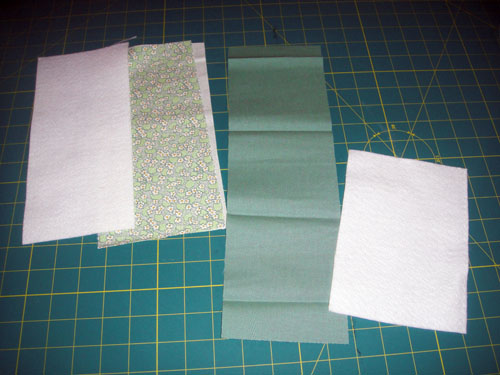
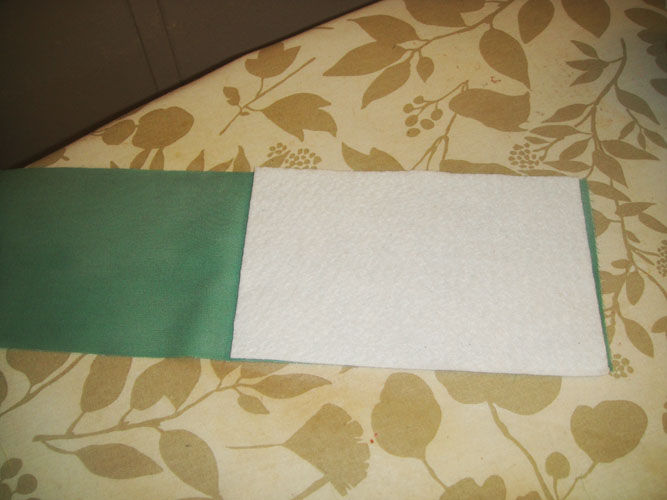
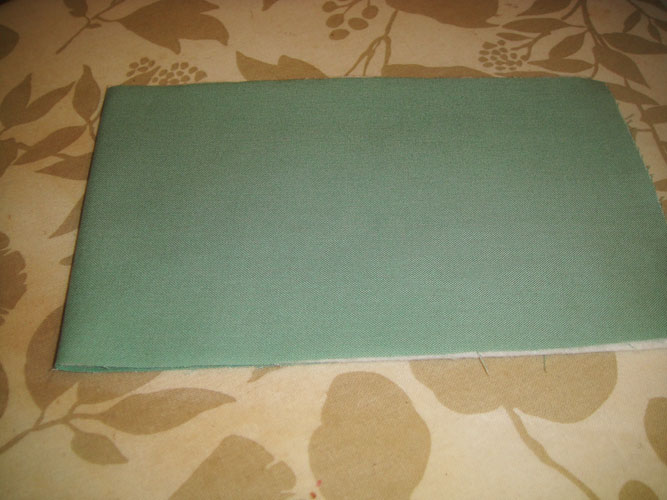
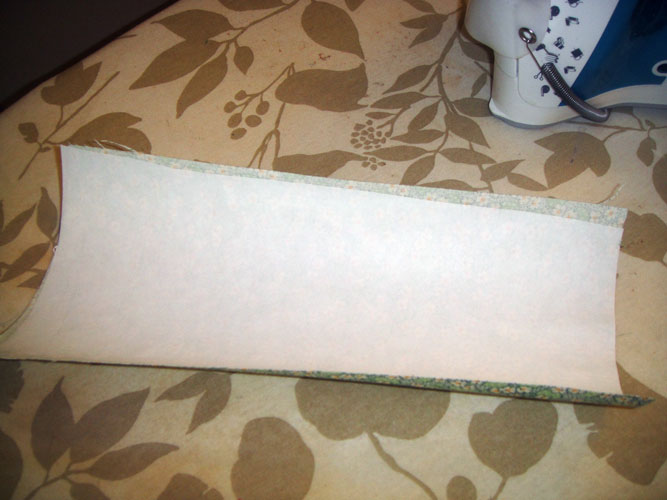
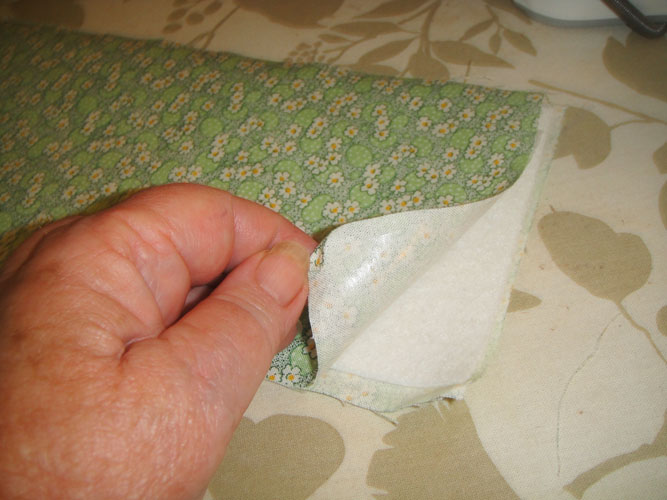
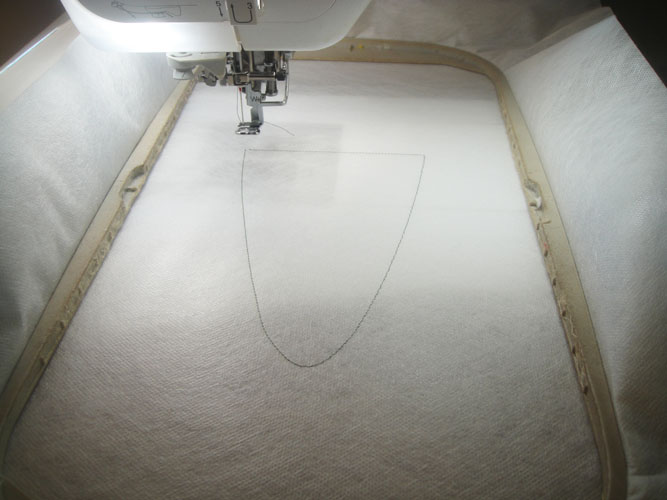
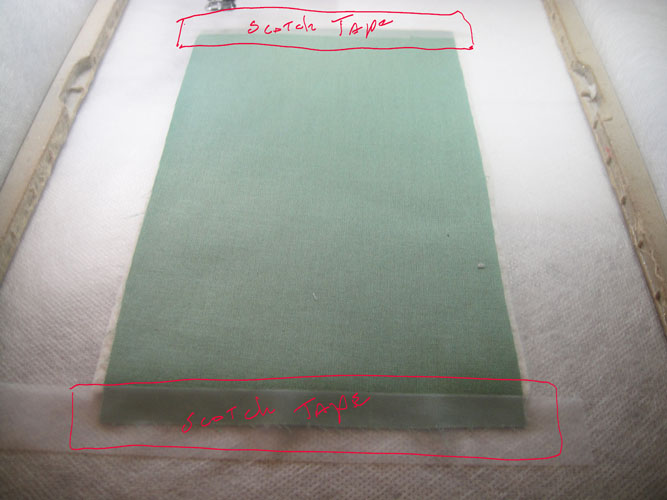
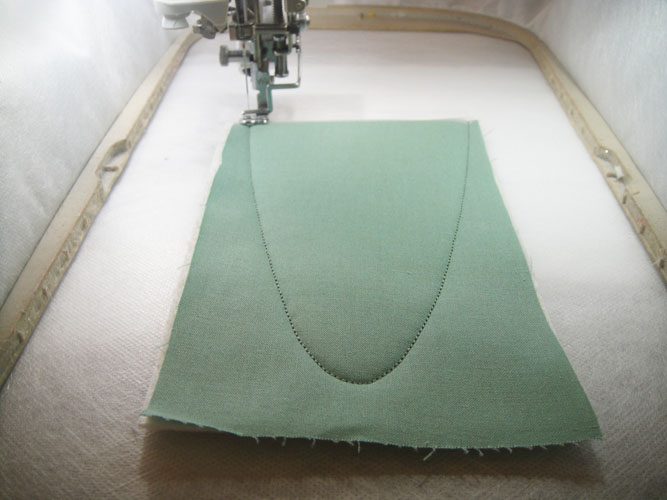
| Materials For all sizes: Scotch Tape Embroidery threads per color chart Magic Sizing or spray starch Materials for large scissors case VSC01: Front: 100% cotton rectangle 14” x 4.5” Back: 100% cotton rectangle 2 pieces 10” x 4.5” Battilizer® 17” x 4.5” Heat N Bond Lite® 2 pieces 10” x 4.5” Two layers of fibrous water soluble stabilizer for hoop size 6” x 10” hoop or larger Materials for medium case VSC02: Front: 100% cotton rectangle 11” x 4.5” Back: 100% cotton rectangle 2 pieces 8”x 4.5” Heat N Bond Lite® 2 pieces 8”x 4.5” Battilizer® 13.5” x 4.5” Two layers of fibrous water soluble stabilizer for 5” x 7” hoop or larger Materials for small scissors case VSC03: Front: 100% cotton rectangle 10”x4.5” Back: 100% cotton rectangle 2 pieces 7” x 4.5” Battilizer® 12” x 4.5 Heat N Bond Lite® 2 pieces 7”x 4.5” Two layers of fibrous water soluble stabilizer for 5” x 7” hoop or larger |
| Designs used in this project |
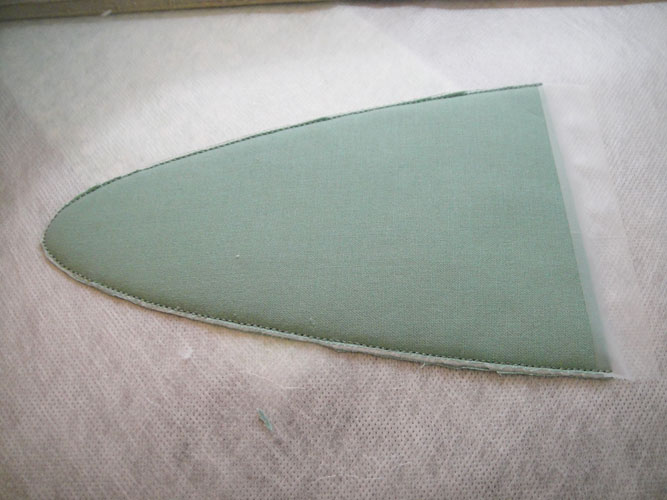
| Final Product: What You Will Create |
 |
|
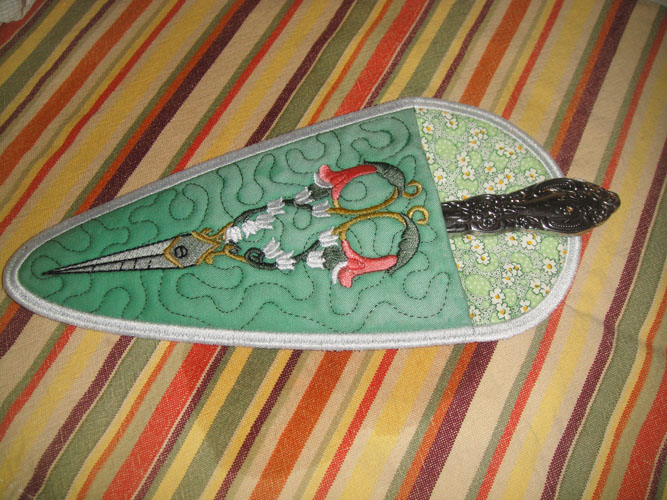
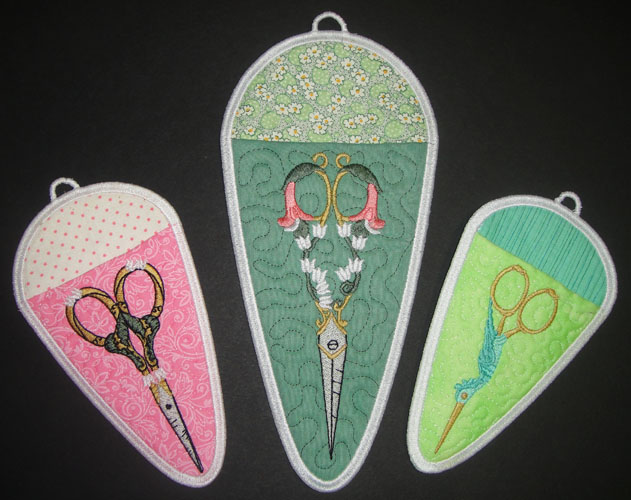
| For the love of embroidery… Pat Williams |
Projects You May Like
Meet the Author:
Pat Williams

Award winning Digitizer, Embroidery Educator, Author and a Consultant to the Industry, Pat Williams has 30 years of experience in the embroidery industry. Pat has won multiple awards for her digitizing expertise including the 2007 Impressions Awards Grand Championship, Best of Show as well as the 1st and 2nd Place Awards. Pat’s love of digitizing has afforded her the opportunity to write numerous articles for Impressions magazine in the United States and Images Magazine in Europe. In 2001 Pat was named “Embroidery Educator of the Year.” For many years Pat taught digitizing seminars at the ISS Shows in Long Beach, CA and for Compucon software. She now resides in Tucson, AZ.
Feedback
Characters Remaining
Please Login to Submit a Feedback
Invalid Characters, Please enter a valid Comment
Please enter a valid Comment
Reviewed On
Link is Broken, Please check the URL