

{{superHeaderAds.title}}
Live Chat
Embroidery Designs
Welcome, Embroiderer
Login
Snuggle Bugs
{{mainImageAlt || (productInfo._source && productInfo._source.name) || ''}}

Snuggle Bugs Embroidery Project

By   Stitchitize   on   March 02, 2015

PROJECT DETAILS

SKILL LEVEL
Some Experience
TIME REQUIRED
03:00
Description

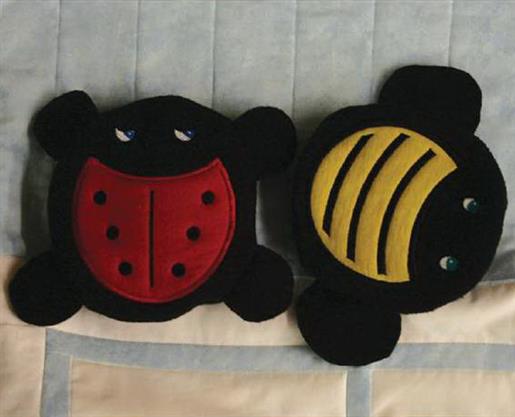
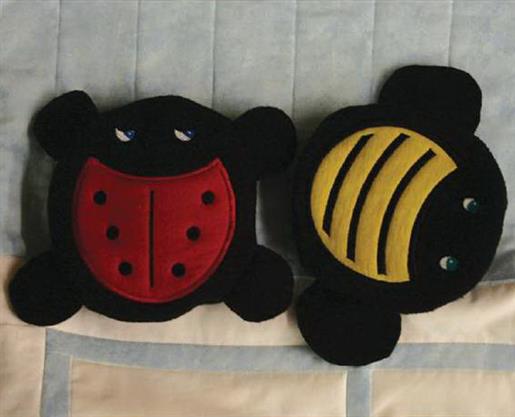
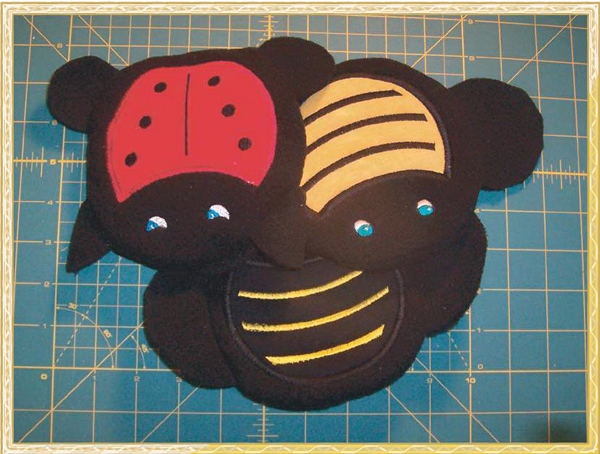
Cuddle up with these cute little bugs on those cold winter nights.

Project Preview Video

Materials
  • Note: Fabric choices for the bug bodies should be soft and fluffy. Sweatshirt or Micro Fleece, Chenille or Washable (polyester) Felt are great choices. Fabric choices for the wings and feet should be anything that does not require finished edges (will not fray). If fleece is used for the body, scraps from that fabric can be used for the wings or feet.
  • Outer Fabric
  • Bug Body - 1 piece 7” x 20” (micro fleece, chenille, felt) We suggest Black for both bugs.
  • Feet and Wings - use scraps from the body fabric to cut 4 feet or 2 wings.
  • Applique - 1 piece 5” x 5” (felt, jersey knit, fleece) We suggest Red for the Ladybug and Black or Yellow for the Bee.
  • Applique Filler - 1 piece 5” x 5” (quilting filler: warm & white, warm & natural)
  • Inner Bag
  • 1 piece 6” x 12” (muslin)
  • 1 cup raw rice, flax seed, dried beans, or buckwheat
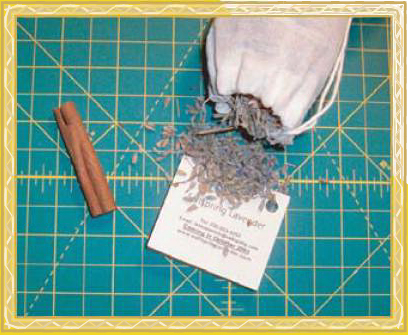
  • **Optional scent suggestions - cinnamon stick or chamomile (calming), lavender (restful), eucalyptus (revitalize), clove (comfort), sage (harmony). Amount in form - 1 tbsp loose, 8 - 10 drops oil, 1/2 cinnamon stick.
  • Regular Sewing Foot
  • 1/4" Sewing Foot *optional but very useful
  • Embroidery Foot
  • Embroidery Hoop (minimum 3.5” x 5” - 90mm x 125mm)
  • Stitchitize Bee010 embroidery designs
  • Medium weight tear-away stabilizer (1 piece - 4.5" x 5" for each bug
  • **Optional water soluble topping if your Body fabric is very plush (under eyes only)
  • 3-4 embroidery thread colors Black, White, Eye Color (blue or green), and Yellow (for Bee)
  • Regular Sewing Thread to match Body fabric and Muslin (wind bobbin of each)
  • Applique Scissors *optional but very useful
  • Fabric, Paper and Clipping Scissors
  • Pins, Ruler, Masking Tape
  • Fabric Marking Chalk

  • Designs used in this project

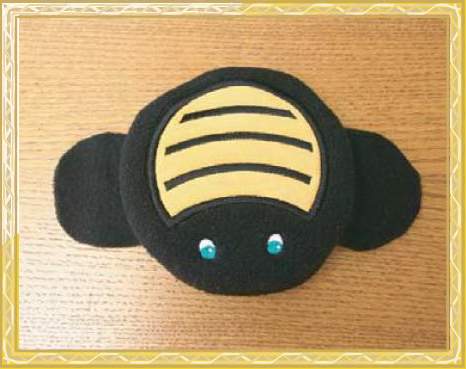
    Final Product: What You Will Create

    Preface:
    Cuddle up with these cute little bugs on those cold winter nights. Just pop them in the microwave to release a relaxing scent and a comforting warmth that will soothe all of your aches and pains. Slide one into a baby’s car seat or crib to keep them snuggly warm! Put them in the freezer to create a cooling effect to calm a headache or to relax tired puffy eyes. Our instructions will complete a ladybug and bee each measuring 5.5” in diameter.


    Step 1:
    Embroidery
     
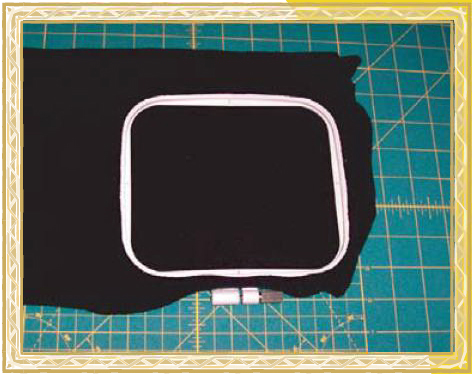
    Hoop Far Right Side of 7” x 20” fabric. Be sure to hoop soft fluffy side up if sweatshirt fleece is used. Prepare machine to sew Bee010A (ladybug) OR Bee010B (bee). These embroidery designs have a dimensional applique, therefore, we recommend that you slow the machine speed down to 400 spm. Slide 1 piece of medium weight tear-away stabilizer under the hoop.


    Step 2:
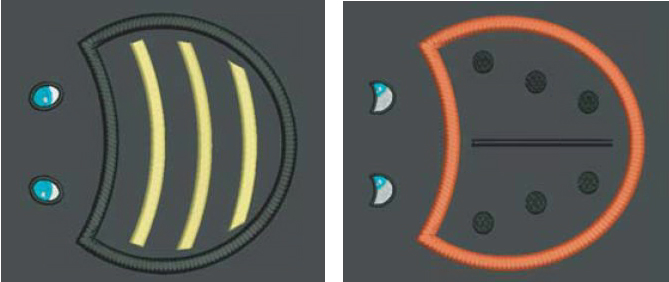
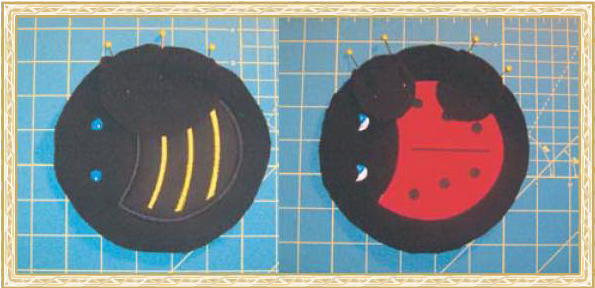
    Note: Our illustrations show the Bee with a yellow applique and black stripes for best visibility. The applique fabric can also be in black with yellow stripes.
     
    Tip: Use a black bobbin when embroidering to avoid any tension issues with the wide satin stitch border on the applique and for a more finished look on the inside of the bug.


    Step 3:
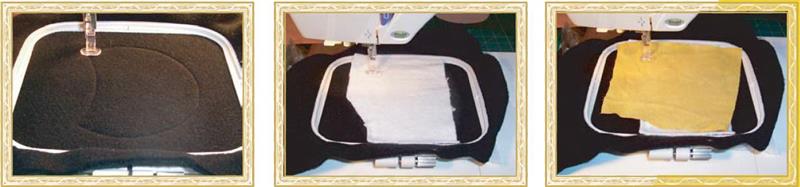
    Start embroidery design following the Sewing Sequence below:
     
    -Applique Placement Line - Black
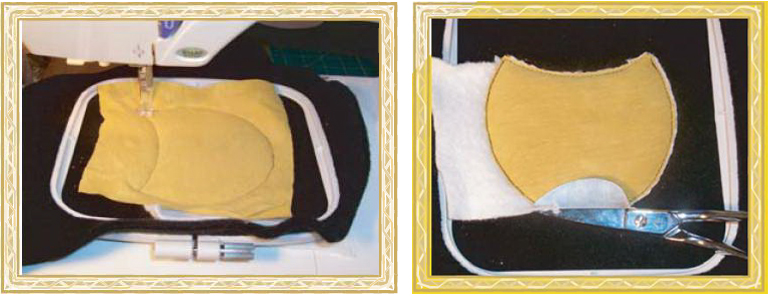
    Place Quilt Filler over placement line to completely cover the stitches. Place Applique fabric over the quilt filler.

    (Click Image to Enlarge)


    Step 4:
    -Applique Cutline - Black
    Remove hoop from machine. Do Not remove fabric from hoop. With the guard of your applique scissors next to the cutline stitches, carefully cut the fabric layer as close to the stitches as the guard will allow. Be very careful not to cut any of the cutline stitches. Repeat for the filler layer. When both layers have been cut, reattach hoop to machine.

    (Click Image to Enlarge)


    Step 5:
    -Tackdown and Border - Black
    -Stripes/Lines/Dots on body Black for Ladybug - Black or Yellow for Bee
    -Whites of Eyes - White
    -Eye color - Blue, Green, etc.
    -Border on Eyes - Black
    -Small Eye Highlights - White

    (Click Image to Enlarge)


    Step 6:
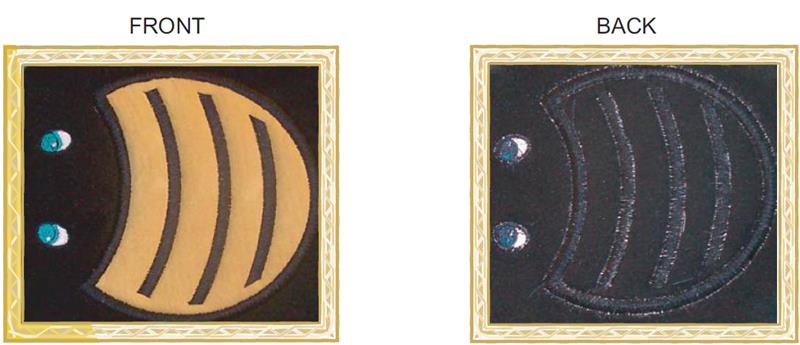
    When all color stops in the embroidery design are complete, remove the hoop from the machine. Carefully remove the fabric from the hoop. Trim all threads from the front and back of embroidery. Remove all tear-away stabilizer from the back of the embroidery. Be sure to remove the stabilizer from the center area of embroidery design (applique) so that the finished bug is not stiff in the appliqued body area.

    (Click Image to Enlarge)


    Step 7:
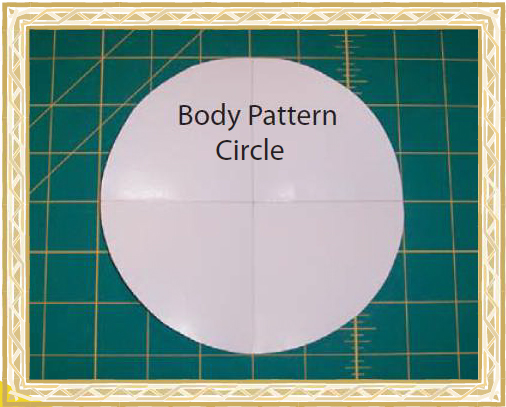
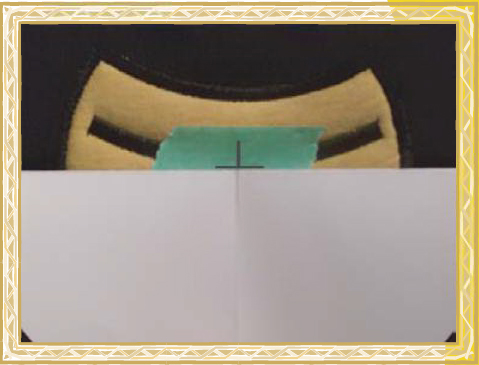
    Cut out Body Pattern Circle. Fold Body Pattern Circle in half. Fold again in quarters. Open. You will now have fold marks in quarter sections.


    Step 8:
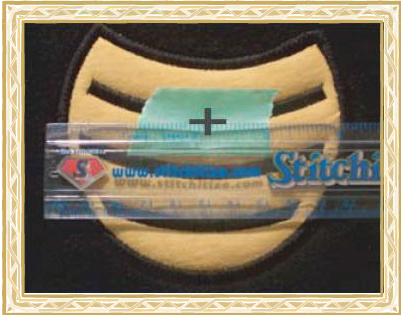
    Place a piece of masking/painters tape in approx. area shown on bug back. Measure and mark 2 1/4” from back end of bug. Measure and mark 2” from one side. You will now have a crosshair on the tape.


    Step 9:
    Line up center of folds on 1/2 folded Circle Pattern with the crosshair on tape.


    Step 10:
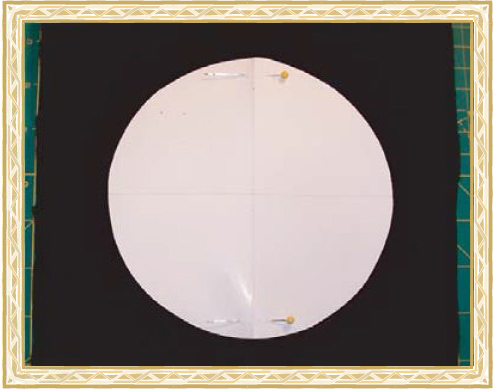
    Open circle and pin.


    Step 11:
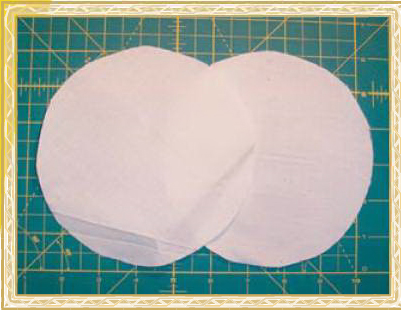
    Cut out circle. Pin and Cut 2 additional circles from same fabric.


    Step 12:
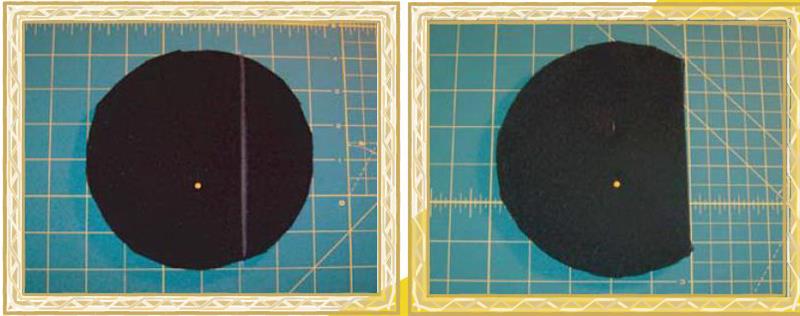
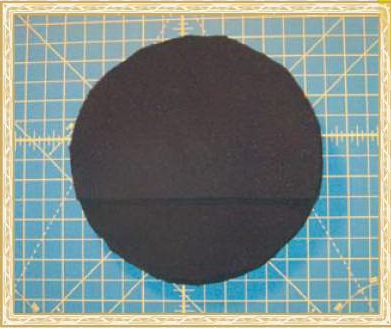
    Put 2 additional circles together, pin at center. Place ruler 1 1/2” from the edge, mark a line with chalk. Cut both circles on chalk line.

    (Click Image to Enlarge)


    Step 13:
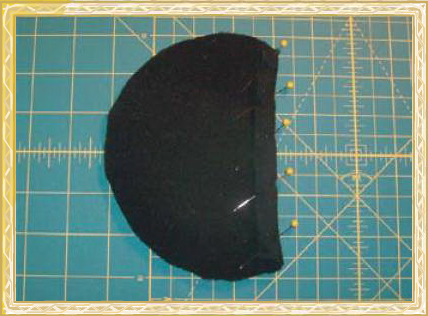
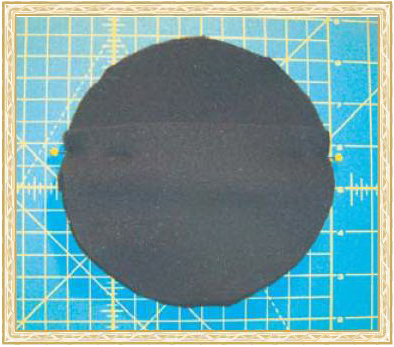
    Remove pin from center. Fold cut edge of one circle over 1/2”, wrong sides together and pin.


    Step 14:
    (Click Image to Enlarge)
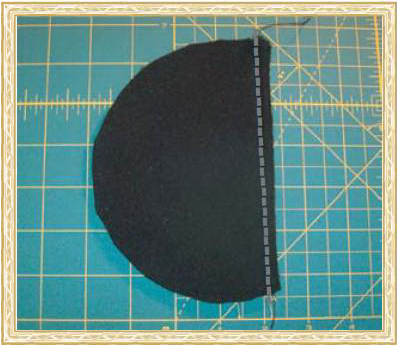
    Roll bobbin and thread machine with matching thread to fabric. Attach regular or 1/4” sewing foot. Sew 1/4” (SA) on fold.


    Step 15:
    (Click Image to Enlarge)
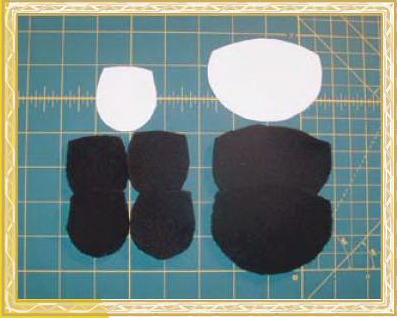
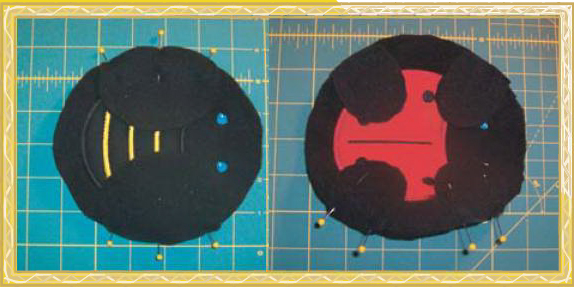
    Cut out wing/feet pattern pieces. If you are making the Bee, pin (or trace with chalk) and cut 2 wings from scraps of body fabric. If you are making the Ladybug, pin and cut 4 feet from scraps of the body fabric.


    Step 16:
    Arrange 1 wing or 2 feet in desired position on one side of embroidered circle. Place right sides together and line up edges. Pin.

    (Click Image to Enlarge)


    Step 17:
    Lay remaining wing/feet over pinned one(s). Fold embroidered circle in half to find exact opposite location for remaining wing or feet. Position and Pin.

    (Click Image to Enlarge)


    Step 18:
    Using 1/8” (SA), Baste wing/feet areas. Be sure to set stitch length back to default when you are finished this step.


    Step 19:
    (Click Image to Enlarge)
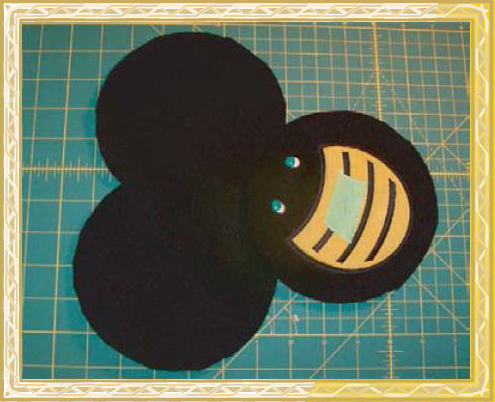
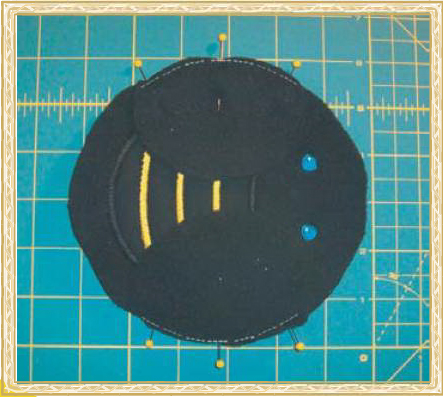
    With embroidered circle right side up, lay additional 3/4 circle (with finished edge) on top, right sides together. Line up rounded edges at “back end” of bug. Be sure that the seamed edge is parallel with the eyes.


    Step 20:
    (Click Image to Enlarge)
    Lay next additional 3/4 circle (with unfinished edge) on top. Line up rounded edges at “eye end” of bug. Try to keep the straight edge at center parallel with the finished edge of previous layer.


    Step 21:
    (Click Image to Enlarge)
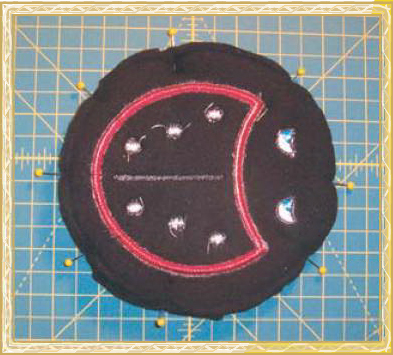
    Pin each side at intersection of all three layers.


    Step 22:
    (Click Image to Enlarge)
    Turn over to back of embroidery side and pin at halves and quarters.


    Step 23:
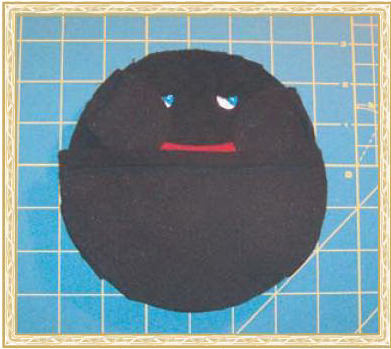
    Sew 1/4” (SA) around circle on embroidered side. Turn right side out through opening on back of bug.


    Step 24:
    Inner Bag Construction
     
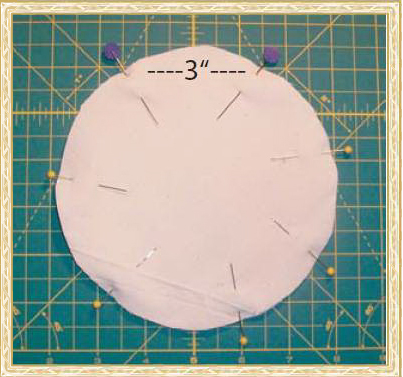
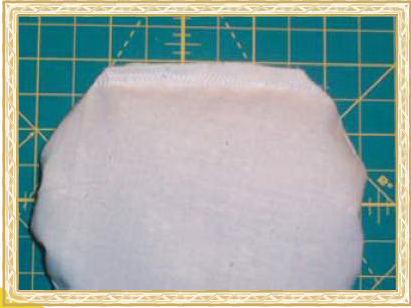
    Fold 6” x 12” Muslin in half to make a 6” x 6” square. Pin and cut Circle Pattern to make 2 6” circles.


    Step 25:
    Mark a 3” section. This will be the opening to turn the bag out through. Pin.


    Step 26:
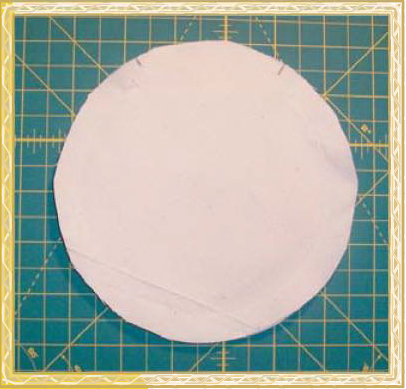
    Wind bobbin and thread machine with matching thread to muslin. Sew 1/4” (SA) around circle from mark to mark leaving the 3” opening.


    Step 27:
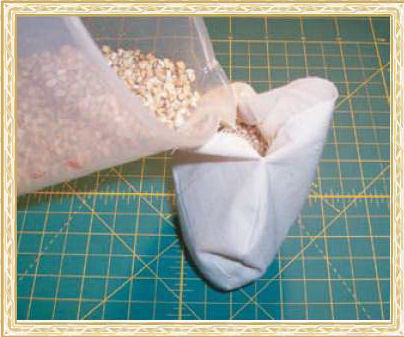
    Turn bag out through opening. Fill with 1 Cup buckwheat, rice, dried beans, or flax seed.


    Step 28:
    Add scent, if desired.


    Step 29:
    Fold in both sides of opening. Pin. Attach regular sewing foot. Sew over opening with a short (1.5) stitch length several times to close.


    Step 30:
    Finished!! The inner bag can now be inserted in the bug through the opening at the back.


    Step 31:
    Heating Instructions: Remove inner bag to heat or cool. Heat in 30 second intervals until desired temperature is reached. Do not exceed total heating time of 1 1/2 minutes.
     
    Cooling Instructions: Put in freezer for at least 1 hour.
     
    Suggested Uses:
    -Heat up to relieve: headaches, back/shoulder pain, cramps/tummy aches, arthritis, poor circulation.
    -Cool off to relieve: migraines, hot flashes, swelling, tired/puffy eyes.
    -Or use as a bed or car seat warmer.
    Meet the Author: Stitchitize
    Stitchitize
    The name Stitchitize was coined and registered in 1988 when the Conquergoods sold their first contract embroidery business. “Stitchitize” was coined as the art of digitizing stitches for machine embroidery. The company actually started developing embroidery designs in 1983 and soon saw the need for Stock Embroidery Designs. By 1988 the company had several thousand Stock Designs to sell, however the majority of their development was still geared towards the commercial embroidery market. It wasn’t until 2001 when Trevor, the Conquergoods eldest son, now managing Stitchitize, saw the opportunity to start developing designs for the emerging domestic embroidery market. In 2002 the Conquergoods opened a Sewing Centre selling domestic machines and embroidery models. The staff members that were hired for the Sewing Centre were all accomplished sewers and they worked very closely with the Stitchitize staff developing new designs. It soon became apparent that project based designs would be well received by the consumers. In late 2003 it was George Conquergood, the patriarch of the family that suggested the poem and storybook “Twas The Night Before Christmas” as a good place to start development. The manager of the Sewing Centre at that time, Brenda, was an accomplished artist and she was given the task to prepare the graphics for the storybook. Her drawings were then given to the digitizing department under direction of Beverley and her sister Linda the actual digitizer to execute. Another Sewing Centre staff member Darlene had the task of sewing the original prototypes, which eventually became an even bigger project. A quilt was also developed and Darlene and graphic artist Colin began the task of photographing and documenting every step of the construction process. Finally the collaborative efforts of eight staff members brought the project to completion and the production of the CD. To have the last word, George decided that as part of the product launch in 2004, Stitchitize would give every dealer a personalized copy of the storybook as a Christmas gift. The Conquergoods commercial production manager Darcy was brought in to discuss the logistics. Some of the pages in the book had over 24 colours and up to 42 color changes. Darcy was given the task to pleasingly reduce this to a maximum of 15 colours per page, as that was the maximum number of colours that their largest commercial machine could handle. He did this and started production of the over 200 books required. Darlene got to assemble all 200+ copies on a domestic sewing machine. The books were completed and sent out to all the dealers for Christmas 2004. The following year George suggested the development of the Mother Goose 1 & 2 Collection, which was so well received that a second collection, Mother Goose 3 & 4 was produced. The graphics and nursery rhymes came from the original book “Mother Goose and her Goslings” which had belonged to George’s mother when she was a child, and read to George as a child. That book is now over 100 years old. Other collaborative works included the FSL – 3D Flowers & Butterflies Collection, Italian Lace Collections, Mardi Gras Masks and the 13 Stitchitize Bees, which were fully tested by consumers in the Creative House Sewing Centre classrooms.
    More From This Author
    Link is Broken, Please check the URL
    Exclusive Embroidery Offers!
    Copyright © {{ currentDate | date:'yyyy'}} - EmbroideryDesigns.com
    GET 50% OFF! ×